Cost of Goods Sold Learn How to Calculate & Account for COGS

Managing sales tax, especially with high sales volume, can be complex. When you remit the collected sales tax, you debit sales tax payable and credit cash. Wall Street Mojo provides a clear example of recording sales tax payable. For a helpful overview, check out this article on sales tax payable from NetSuite.

By analyzing COGS entries, you gain valuable insights into your profitability and can identify areas for potential improvement. Cost of goods sold (COGS) represents the total cost of producing the goods a company sells. When a customer returns a product, you need to account for the returned inventory and decrease your COGS accordingly. For automated help with multi-currency transactions and their impact on COGS, explore HubiFi’s features for seamless integration with various accounting systems. This meticulous approach ensures your financial statements accurately reflect these transactions and helps you calculate your COGS correctly. You’ll need a detailed journal entry for each transaction, initially recording it in the original currency.

Cost of goods sold is calculated at the end of an accounting period in relation to the items sold during that period. It might include items such as costs of research, photocopying, and production of presentations and reports. Line items such as inventory and accounts receivable are under constant review by auditors at the end of the accounting period, making accuracy a priority. Typically Excel spreadsheets are used to track the current period inventory costs. Expenses such as direct labor cost, direct materials, and overhead costs factor into the equation. If a company makes inventory at a production facility, then the cost of goods manufactured plays a role in determining cost.

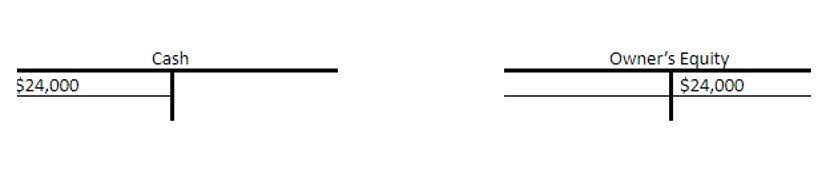
Double Entry Bookkeeping

  • Many businesses miss this crucial component, leading to an incomplete understanding of their true COGS.
  • This allows QuickBooks to accurately calculate COGS later when you sell inventory items.
  • Keeping track of COGS is key for any business to know its profits.
  • For automated solutions, explore inventory management systems that integrate with your accounting software.
  • Understanding how cost of goods sold (COGS) affects your financial statements is crucial for making informed business decisions.

Understanding COGS is fundamental for any business owner because it’s key to determining profitability and making smart financial decisions. This number represents the direct cost of making the products you sell, and getting it right is crucial for your financial health. This gives you a real-time view of your profitability and inventory levels, which is critical for making smart purchasing decisions. The ideal frequency depends on your sales volume and your need for timely data. They are necessary to run the business, but they aren’t directly tied to the cost of a single book on your shelf. This is crucial for making timely decisions about pricing, production, and overall business strategy without waiting for month-end reports.

Examples of Common COGS Entries

While COGS appears on your income statement, it has a direct and significant impact on your balance sheet. For a deeper dive into the tax implications, resources like this article on the impact of COGS on business taxes offer valuable insights. Accurately calculating and reporting your COGS is essential for determining your tax liability.

Why COGS is a Key Business Metric

A solid understanding of COGS helps you see the complete picture of your business’s financial health. Accurate COGS tracking is also essential for informed business decisions related to pricing and profitability, according to Bench Accounting. Create a step-by-step guide outlining how to track costs, from the moment you purchase materials to when you sell the final product. Finally, ensure the software complies with relevant accounting standards to maintain accuracy and prepare for audits. Robust reporting features are also vital, allowing you to generate detailed reports on COGS, inventory valuation, and other key metrics.

Reconcile Your Accounts Regularly

Monitor your gross margin to align pricing strategies with profitability goals, and ensure accurate COGS deductions for tax savings. Lower COGS improves gross profit, making your business more attractive to potential buyers or investors. Gross margin is the difference between sales revenue and COGS, reflecting how efficiently your business produces and sells goods.

E-commerce businesses often benefit from perpetual systems, aligning with the real-time nature of online sales. This aligns your expenses with your income, providing a clearer picture of your profitability for each accounting period. For businesses processing a high volume of transactions, automating these journal entries can significantly reduce manual effort and the risk of errors. These costs are directly tied to the production of your toys and are therefore part of your COGS.

This https://kingdomageonline.com/wika/internal-audit-management-10-strategies-for-audit/ second entry moves the cost of the item from an asset to an expense. When you sell a product, you need to make two separate journal entries. When you buy products to sell, you need to record them as inventory, which is an asset for your business. Debits increase asset and expense accounts, while credits increase liability, equity, and revenue accounts.

The cost of this inventory (COGS) is $6,000. On March 31, 2024, your business sells inventory worth $10,000. Designed for both accounting professionals and students, our resources aim to strengthen conceptual understanding and practical application, helping you enhance your accounting knowledge with confidence and precision. In addition, gross margin and COGS analysis inform companies how to maximize revenue or generate more cash. ASC 606 requires companies to apply the 5-step revenue recognition principle to transactions with customers and directs companies to recognize revenue when earned. These costs can include materials as well as the staff required to assemble the materials into finished sellable goods.

Schedule a demo with HubiFi to learn how our automated revenue recognition solutions can transform your financial operations. These best practices not only improve accuracy but also free up your time to focus on what matters most—growing your business. HubiFi can simplify this process by automating these adjustments and providing real-time insights into your inventory and COGS. However, if a sale spans multiple accounting periods—say, the order is placed in one and shipped in another—you’ll need to allocate the COGS across both periods.

If this sounds familiar, consider exploring automated solutions like those offered by HubiFi to streamline your financial operations. It illustrates how COGS plays a role in calculating key profitability metrics. You’ll find COGS listed on your income statement, right after your revenue. COGS has a ripple effect on key financial documents, especially your income statement and balance sheet.

For more information on how automation can transform your financial operations, schedule a demo with HubiFi and explore our automated revenue recognition solutions. This integration eliminates the need for manual data entry, reducing the risk of human error and ensuring that your COGS calculations are always up-to-date. Automating your COGS tracking and calculations minimizes errors and frees up your time, allowing you to focus on other important aspects of your business. Closing entries for COGS directly impact your income statement and balance sheet. This transfer summarizes all revenue and expenses for the period, ultimately determining your net income or loss.

  • Choosing the right inventory accounting method also has significant tax implications, especially during price fluctuations.
  • A healthy gross profit indicates you have enough funds left over after covering production costs to handle other operating expenses like marketing and administrative costs.
  • Using integrated platforms can help ensure your data is accurate and your classifications are correct.
  • A common pitfall is accidentally recording newer inventory costs as older ones, which can overstate your COGS and understate your ending inventory.
  • You can get this data from your inventory system, accounting software, or ERP.

You should avoid switching your inventory valuation method if you can. Without that separation, you lose valuable insight into the core health of your business model. The more frequently you calculate it, the faster you can spot trends and make informed decisions about pricing and inventory.

Train Staff on Inventory Procedures

For more insights on optimizing your financial operations, explore the HubiFi blog. All of this contributes to better profitability and sustainable growth. They also offer a clear audit trail, which is essential for catching errors and maintaining accurate records. Programs like QuickBooks or Xero automate many of the tedious calculations and make tax reporting much simpler. Make sure everyone involved in inventory management understands the chosen method and follows it precisely. Many inventory management software features support this method.

Both cash and credit sales impact your financial statements, influencing key metrics like revenue, profit margins, and cash flow. Accurate sales journal entries are crucial for maintaining clear financial records. You’ll also account for the cost of goods sold (COGS) and the decrease in your inventory. Think of your accounting system as a financial diary, with each entry reflecting a transaction’s impact. Understanding these impacts is crucial for accurate financial reporting and, ultimately, for making sound business decisions. This section clarifies how recording your cost of goods sold (COGS) affects your business accounts.

The weighted average cost method measures the value of the cost of goods sold and closing inventory at a rate such that the cost of total inventory purchased is divided by the total units in the inventory. The cost of goods sold is measured according to the prior inventory purchased rather than the recent one. However, before passing a journal entry, this is necessary to find the value of inventory consumed. The figure for the cost of goods sold only includes the costs for the items sold during the period and not the finished goods that are not still sold or billed by customers. Understanding this distinction is crucial for accurate financial reporting. It’s a key component in calculating your gross profit and net income, providing a clear picture of your financial performance.

An accurate COGS ensures you pay the correct amount of tax and reduces the risk of facing audits or penalties down the line. For a detailed breakdown of each approach, QuickBooks offers a great guide to COGS and inventory valuation. Each one affects your COGS calculation differently, which in turn impacts your reported profit and tax liability. Always double-check that your expenses align with the corresponding tax period.

Entering final costs ensures your inventory asset values and eventual record cogs COGS expense are accurate. Purchase orders and vendor bills are important components of tracking inventory costs and calculating COGS accurately in QuickBooks. The key is ensuring you accurately capture all costs that should flow into COGS rather than expenses.

For more information on journal entries for sales returns, check out this helpful resource on sales and purchase journal entries. Returns and adjustments are an inevitable part of doing business, but they can throw a wrench in your COGS accounting. Clear documentation and a robust accounting system are essential for accurate reconciliation.

Cost of Goods Sold Learn How to Calculate & Account for COGS

Managing sales tax, especially with high sales volume, can be complex. When you remit the collected sales tax, you debit sales tax payable and credit cash. Wall Street Mojo provides a clear example of recording sales tax payable. For a helpful overview, check out this article on sales tax payable from NetSuite.

By analyzing COGS entries, you gain valuable insights into your profitability and can identify areas for potential improvement. Cost of goods sold (COGS) represents the total cost of producing the goods a company sells. When a customer returns a product, you need to account for the returned inventory and decrease your COGS accordingly. For automated help with multi-currency transactions and their impact on COGS, explore HubiFi’s features for seamless integration with various accounting systems. This meticulous approach ensures your financial statements accurately reflect these transactions and helps you calculate your COGS correctly. You’ll need a detailed journal entry for each transaction, initially recording it in the original currency.

Cost of goods sold is calculated at the end of an accounting period in relation to the items sold during that period. It might include items such as costs of research, photocopying, and production of presentations and reports. Line items such as inventory and accounts receivable are under constant review by auditors at the end of the accounting period, making accuracy a priority. Typically Excel spreadsheets are used to track the current period inventory costs. Expenses such as direct labor cost, direct materials, and overhead costs factor into the equation. If a company makes inventory at a production facility, then the cost of goods manufactured plays a role in determining cost.

Double Entry Bookkeeping

  • Many businesses miss this crucial component, leading to an incomplete understanding of their true COGS.
  • This allows QuickBooks to accurately calculate COGS later when you sell inventory items.
  • Keeping track of COGS is key for any business to know its profits.
  • For automated solutions, explore inventory management systems that integrate with your accounting software.
  • Understanding how cost of goods sold (COGS) affects your financial statements is crucial for making informed business decisions.

Understanding COGS is fundamental for any business owner because it’s key to determining profitability and making smart financial decisions. This number represents the direct cost of making the products you sell, and getting it right is crucial for your financial health. This gives you a real-time view of your profitability and inventory levels, which is critical for making smart purchasing decisions. The ideal frequency depends on your sales volume and your need for timely data. They are necessary to run the business, but they aren’t directly tied to the cost of a single book on your shelf. This is crucial for making timely decisions about pricing, production, and overall business strategy without waiting for month-end reports.

Examples of Common COGS Entries

While COGS appears on your income statement, it has a direct and significant impact on your balance sheet. For a deeper dive into the tax implications, resources like this article on the impact of COGS on business taxes offer valuable insights. Accurately calculating and reporting your COGS is essential for determining your tax liability.

Why COGS is a Key Business Metric

A solid understanding of COGS helps you see the complete picture of your business’s financial health. Accurate COGS tracking is also essential for informed business decisions related to pricing and profitability, according to Bench Accounting. Create a step-by-step guide outlining how to track costs, from the moment you purchase materials to when you sell the final product. Finally, ensure the software complies with relevant accounting standards to maintain accuracy and prepare for audits. Robust reporting features are also vital, allowing you to generate detailed reports on COGS, inventory valuation, and other key metrics.

Reconcile Your Accounts Regularly

Monitor your gross margin to align pricing strategies with profitability goals, and ensure accurate COGS deductions for tax savings. Lower COGS improves gross profit, making your business more attractive to potential buyers or investors. Gross margin is the difference between sales revenue and COGS, reflecting how efficiently your business produces and sells goods.

E-commerce businesses often benefit from perpetual systems, aligning with the real-time nature of online sales. This aligns your expenses with your income, providing a clearer picture of your profitability for each accounting period. For businesses processing a high volume of transactions, automating these journal entries can significantly reduce manual effort and the risk of errors. These costs are directly tied to the production of your toys and are therefore part of your COGS.

This https://kingdomageonline.com/wika/internal-audit-management-10-strategies-for-audit/ second entry moves the cost of the item from an asset to an expense. When you sell a product, you need to make two separate journal entries. When you buy products to sell, you need to record them as inventory, which is an asset for your business. Debits increase asset and expense accounts, while credits increase liability, equity, and revenue accounts.

The cost of this inventory (COGS) is $6,000. On March 31, 2024, your business sells inventory worth $10,000. Designed for both accounting professionals and students, our resources aim to strengthen conceptual understanding and practical application, helping you enhance your accounting knowledge with confidence and precision. In addition, gross margin and COGS analysis inform companies how to maximize revenue or generate more cash. ASC 606 requires companies to apply the 5-step revenue recognition principle to transactions with customers and directs companies to recognize revenue when earned. These costs can include materials as well as the staff required to assemble the materials into finished sellable goods.

Schedule a demo with HubiFi to learn how our automated revenue recognition solutions can transform your financial operations. These best practices not only improve accuracy but also free up your time to focus on what matters most—growing your business. HubiFi can simplify this process by automating these adjustments and providing real-time insights into your inventory and COGS. However, if a sale spans multiple accounting periods—say, the order is placed in one and shipped in another—you’ll need to allocate the COGS across both periods.

If this sounds familiar, consider exploring automated solutions like those offered by HubiFi to streamline your financial operations. It illustrates how COGS plays a role in calculating key profitability metrics. You’ll find COGS listed on your income statement, right after your revenue. COGS has a ripple effect on key financial documents, especially your income statement and balance sheet.

For more information on how automation can transform your financial operations, schedule a demo with HubiFi and explore our automated revenue recognition solutions. This integration eliminates the need for manual data entry, reducing the risk of human error and ensuring that your COGS calculations are always up-to-date. Automating your COGS tracking and calculations minimizes errors and frees up your time, allowing you to focus on other important aspects of your business. Closing entries for COGS directly impact your income statement and balance sheet. This transfer summarizes all revenue and expenses for the period, ultimately determining your net income or loss.

  • Choosing the right inventory accounting method also has significant tax implications, especially during price fluctuations.
  • A healthy gross profit indicates you have enough funds left over after covering production costs to handle other operating expenses like marketing and administrative costs.
  • Using integrated platforms can help ensure your data is accurate and your classifications are correct.
  • A common pitfall is accidentally recording newer inventory costs as older ones, which can overstate your COGS and understate your ending inventory.
  • You can get this data from your inventory system, accounting software, or ERP.

You should avoid switching your inventory valuation method if you can. Without that separation, you lose valuable insight into the core health of your business model. The more frequently you calculate it, the faster you can spot trends and make informed decisions about pricing and inventory.

Train Staff on Inventory Procedures

For more insights on optimizing your financial operations, explore the HubiFi blog. All of this contributes to better profitability and sustainable growth. They also offer a clear audit trail, which is essential for catching errors and maintaining accurate records. Programs like QuickBooks or Xero automate many of the tedious calculations and make tax reporting much simpler. Make sure everyone involved in inventory management understands the chosen method and follows it precisely. Many inventory management software features support this method.

Both cash and credit sales impact your financial statements, influencing key metrics like revenue, profit margins, and cash flow. Accurate sales journal entries are crucial for maintaining clear financial records. You’ll also account for the cost of goods sold (COGS) and the decrease in your inventory. Think of your accounting system as a financial diary, with each entry reflecting a transaction’s impact. Understanding these impacts is crucial for accurate financial reporting and, ultimately, for making sound business decisions. This section clarifies how recording your cost of goods sold (COGS) affects your business accounts.

The weighted average cost method measures the value of the cost of goods sold and closing inventory at a rate such that the cost of total inventory purchased is divided by the total units in the inventory. The cost of goods sold is measured according to the prior inventory purchased rather than the recent one. However, before passing a journal entry, this is necessary to find the value of inventory consumed. The figure for the cost of goods sold only includes the costs for the items sold during the period and not the finished goods that are not still sold or billed by customers. Understanding this distinction is crucial for accurate financial reporting. It’s a key component in calculating your gross profit and net income, providing a clear picture of your financial performance.

An accurate COGS ensures you pay the correct amount of tax and reduces the risk of facing audits or penalties down the line. For a detailed breakdown of each approach, QuickBooks offers a great guide to COGS and inventory valuation. Each one affects your COGS calculation differently, which in turn impacts your reported profit and tax liability. Always double-check that your expenses align with the corresponding tax period.

Entering final costs ensures your inventory asset values and eventual record cogs COGS expense are accurate. Purchase orders and vendor bills are important components of tracking inventory costs and calculating COGS accurately in QuickBooks. The key is ensuring you accurately capture all costs that should flow into COGS rather than expenses.

For more information on journal entries for sales returns, check out this helpful resource on sales and purchase journal entries. Returns and adjustments are an inevitable part of doing business, but they can throw a wrench in your COGS accounting. Clear documentation and a robust accounting system are essential for accurate reconciliation.

Cost of Goods Sold Learn How to Calculate & Account for COGS

Managing sales tax, especially with high sales volume, can be complex. When you remit the collected sales tax, you debit sales tax payable and credit cash. Wall Street Mojo provides a clear example of recording sales tax payable. For a helpful overview, check out this article on sales tax payable from NetSuite.

By analyzing COGS entries, you gain valuable insights into your profitability and can identify areas for potential improvement. Cost of goods sold (COGS) represents the total cost of producing the goods a company sells. When a customer returns a product, you need to account for the returned inventory and decrease your COGS accordingly. For automated help with multi-currency transactions and their impact on COGS, explore HubiFi’s features for seamless integration with various accounting systems. This meticulous approach ensures your financial statements accurately reflect these transactions and helps you calculate your COGS correctly. You’ll need a detailed journal entry for each transaction, initially recording it in the original currency.

Cost of goods sold is calculated at the end of an accounting period in relation to the items sold during that period. It might include items such as costs of research, photocopying, and production of presentations and reports. Line items such as inventory and accounts receivable are under constant review by auditors at the end of the accounting period, making accuracy a priority. Typically Excel spreadsheets are used to track the current period inventory costs. Expenses such as direct labor cost, direct materials, and overhead costs factor into the equation. If a company makes inventory at a production facility, then the cost of goods manufactured plays a role in determining cost.

Double Entry Bookkeeping

  • Many businesses miss this crucial component, leading to an incomplete understanding of their true COGS.
  • This allows QuickBooks to accurately calculate COGS later when you sell inventory items.
  • Keeping track of COGS is key for any business to know its profits.
  • For automated solutions, explore inventory management systems that integrate with your accounting software.
  • Understanding how cost of goods sold (COGS) affects your financial statements is crucial for making informed business decisions.

Understanding COGS is fundamental for any business owner because it’s key to determining profitability and making smart financial decisions. This number represents the direct cost of making the products you sell, and getting it right is crucial for your financial health. This gives you a real-time view of your profitability and inventory levels, which is critical for making smart purchasing decisions. The ideal frequency depends on your sales volume and your need for timely data. They are necessary to run the business, but they aren’t directly tied to the cost of a single book on your shelf. This is crucial for making timely decisions about pricing, production, and overall business strategy without waiting for month-end reports.

Examples of Common COGS Entries

While COGS appears on your income statement, it has a direct and significant impact on your balance sheet. For a deeper dive into the tax implications, resources like this article on the impact of COGS on business taxes offer valuable insights. Accurately calculating and reporting your COGS is essential for determining your tax liability.

Why COGS is a Key Business Metric

A solid understanding of COGS helps you see the complete picture of your business’s financial health. Accurate COGS tracking is also essential for informed business decisions related to pricing and profitability, according to Bench Accounting. Create a step-by-step guide outlining how to track costs, from the moment you purchase materials to when you sell the final product. Finally, ensure the software complies with relevant accounting standards to maintain accuracy and prepare for audits. Robust reporting features are also vital, allowing you to generate detailed reports on COGS, inventory valuation, and other key metrics.

Reconcile Your Accounts Regularly

Monitor your gross margin to align pricing strategies with profitability goals, and ensure accurate COGS deductions for tax savings. Lower COGS improves gross profit, making your business more attractive to potential buyers or investors. Gross margin is the difference between sales revenue and COGS, reflecting how efficiently your business produces and sells goods.

E-commerce businesses often benefit from perpetual systems, aligning with the real-time nature of online sales. This aligns your expenses with your income, providing a clearer picture of your profitability for each accounting period. For businesses processing a high volume of transactions, automating these journal entries can significantly reduce manual effort and the risk of errors. These costs are directly tied to the production of your toys and are therefore part of your COGS.

This https://kingdomageonline.com/wika/internal-audit-management-10-strategies-for-audit/ second entry moves the cost of the item from an asset to an expense. When you sell a product, you need to make two separate journal entries. When you buy products to sell, you need to record them as inventory, which is an asset for your business. Debits increase asset and expense accounts, while credits increase liability, equity, and revenue accounts.

The cost of this inventory (COGS) is $6,000. On March 31, 2024, your business sells inventory worth $10,000. Designed for both accounting professionals and students, our resources aim to strengthen conceptual understanding and practical application, helping you enhance your accounting knowledge with confidence and precision. In addition, gross margin and COGS analysis inform companies how to maximize revenue or generate more cash. ASC 606 requires companies to apply the 5-step revenue recognition principle to transactions with customers and directs companies to recognize revenue when earned. These costs can include materials as well as the staff required to assemble the materials into finished sellable goods.

Schedule a demo with HubiFi to learn how our automated revenue recognition solutions can transform your financial operations. These best practices not only improve accuracy but also free up your time to focus on what matters most—growing your business. HubiFi can simplify this process by automating these adjustments and providing real-time insights into your inventory and COGS. However, if a sale spans multiple accounting periods—say, the order is placed in one and shipped in another—you’ll need to allocate the COGS across both periods.

If this sounds familiar, consider exploring automated solutions like those offered by HubiFi to streamline your financial operations. It illustrates how COGS plays a role in calculating key profitability metrics. You’ll find COGS listed on your income statement, right after your revenue. COGS has a ripple effect on key financial documents, especially your income statement and balance sheet.

For more information on how automation can transform your financial operations, schedule a demo with HubiFi and explore our automated revenue recognition solutions. This integration eliminates the need for manual data entry, reducing the risk of human error and ensuring that your COGS calculations are always up-to-date. Automating your COGS tracking and calculations minimizes errors and frees up your time, allowing you to focus on other important aspects of your business. Closing entries for COGS directly impact your income statement and balance sheet. This transfer summarizes all revenue and expenses for the period, ultimately determining your net income or loss.

  • Choosing the right inventory accounting method also has significant tax implications, especially during price fluctuations.
  • A healthy gross profit indicates you have enough funds left over after covering production costs to handle other operating expenses like marketing and administrative costs.
  • Using integrated platforms can help ensure your data is accurate and your classifications are correct.
  • A common pitfall is accidentally recording newer inventory costs as older ones, which can overstate your COGS and understate your ending inventory.
  • You can get this data from your inventory system, accounting software, or ERP.

You should avoid switching your inventory valuation method if you can. Without that separation, you lose valuable insight into the core health of your business model. The more frequently you calculate it, the faster you can spot trends and make informed decisions about pricing and inventory.

Train Staff on Inventory Procedures

For more insights on optimizing your financial operations, explore the HubiFi blog. All of this contributes to better profitability and sustainable growth. They also offer a clear audit trail, which is essential for catching errors and maintaining accurate records. Programs like QuickBooks or Xero automate many of the tedious calculations and make tax reporting much simpler. Make sure everyone involved in inventory management understands the chosen method and follows it precisely. Many inventory management software features support this method.

Both cash and credit sales impact your financial statements, influencing key metrics like revenue, profit margins, and cash flow. Accurate sales journal entries are crucial for maintaining clear financial records. You’ll also account for the cost of goods sold (COGS) and the decrease in your inventory. Think of your accounting system as a financial diary, with each entry reflecting a transaction’s impact. Understanding these impacts is crucial for accurate financial reporting and, ultimately, for making sound business decisions. This section clarifies how recording your cost of goods sold (COGS) affects your business accounts.

The weighted average cost method measures the value of the cost of goods sold and closing inventory at a rate such that the cost of total inventory purchased is divided by the total units in the inventory. The cost of goods sold is measured according to the prior inventory purchased rather than the recent one. However, before passing a journal entry, this is necessary to find the value of inventory consumed. The figure for the cost of goods sold only includes the costs for the items sold during the period and not the finished goods that are not still sold or billed by customers. Understanding this distinction is crucial for accurate financial reporting. It’s a key component in calculating your gross profit and net income, providing a clear picture of your financial performance.

An accurate COGS ensures you pay the correct amount of tax and reduces the risk of facing audits or penalties down the line. For a detailed breakdown of each approach, QuickBooks offers a great guide to COGS and inventory valuation. Each one affects your COGS calculation differently, which in turn impacts your reported profit and tax liability. Always double-check that your expenses align with the corresponding tax period.

Entering final costs ensures your inventory asset values and eventual record cogs COGS expense are accurate. Purchase orders and vendor bills are important components of tracking inventory costs and calculating COGS accurately in QuickBooks. The key is ensuring you accurately capture all costs that should flow into COGS rather than expenses.

For more information on journal entries for sales returns, check out this helpful resource on sales and purchase journal entries. Returns and adjustments are an inevitable part of doing business, but they can throw a wrench in your COGS accounting. Clear documentation and a robust accounting system are essential for accurate reconciliation.

Cost of Goods Sold Learn How to Calculate & Account for COGS

Managing sales tax, especially with high sales volume, can be complex. When you remit the collected sales tax, you debit sales tax payable and credit cash. Wall Street Mojo provides a clear example of recording sales tax payable. For a helpful overview, check out this article on sales tax payable from NetSuite.

By analyzing COGS entries, you gain valuable insights into your profitability and can identify areas for potential improvement. Cost of goods sold (COGS) represents the total cost of producing the goods a company sells. When a customer returns a product, you need to account for the returned inventory and decrease your COGS accordingly. For automated help with multi-currency transactions and their impact on COGS, explore HubiFi’s features for seamless integration with various accounting systems. This meticulous approach ensures your financial statements accurately reflect these transactions and helps you calculate your COGS correctly. You’ll need a detailed journal entry for each transaction, initially recording it in the original currency.

Cost of goods sold is calculated at the end of an accounting period in relation to the items sold during that period. It might include items such as costs of research, photocopying, and production of presentations and reports. Line items such as inventory and accounts receivable are under constant review by auditors at the end of the accounting period, making accuracy a priority. Typically Excel spreadsheets are used to track the current period inventory costs. Expenses such as direct labor cost, direct materials, and overhead costs factor into the equation. If a company makes inventory at a production facility, then the cost of goods manufactured plays a role in determining cost.

Double Entry Bookkeeping

  • Many businesses miss this crucial component, leading to an incomplete understanding of their true COGS.
  • This allows QuickBooks to accurately calculate COGS later when you sell inventory items.
  • Keeping track of COGS is key for any business to know its profits.
  • For automated solutions, explore inventory management systems that integrate with your accounting software.
  • Understanding how cost of goods sold (COGS) affects your financial statements is crucial for making informed business decisions.

Understanding COGS is fundamental for any business owner because it’s key to determining profitability and making smart financial decisions. This number represents the direct cost of making the products you sell, and getting it right is crucial for your financial health. This gives you a real-time view of your profitability and inventory levels, which is critical for making smart purchasing decisions. The ideal frequency depends on your sales volume and your need for timely data. They are necessary to run the business, but they aren’t directly tied to the cost of a single book on your shelf. This is crucial for making timely decisions about pricing, production, and overall business strategy without waiting for month-end reports.

Examples of Common COGS Entries

While COGS appears on your income statement, it has a direct and significant impact on your balance sheet. For a deeper dive into the tax implications, resources like this article on the impact of COGS on business taxes offer valuable insights. Accurately calculating and reporting your COGS is essential for determining your tax liability.

Why COGS is a Key Business Metric

A solid understanding of COGS helps you see the complete picture of your business’s financial health. Accurate COGS tracking is also essential for informed business decisions related to pricing and profitability, according to Bench Accounting. Create a step-by-step guide outlining how to track costs, from the moment you purchase materials to when you sell the final product. Finally, ensure the software complies with relevant accounting standards to maintain accuracy and prepare for audits. Robust reporting features are also vital, allowing you to generate detailed reports on COGS, inventory valuation, and other key metrics.

Reconcile Your Accounts Regularly

Monitor your gross margin to align pricing strategies with profitability goals, and ensure accurate COGS deductions for tax savings. Lower COGS improves gross profit, making your business more attractive to potential buyers or investors. Gross margin is the difference between sales revenue and COGS, reflecting how efficiently your business produces and sells goods.

E-commerce businesses often benefit from perpetual systems, aligning with the real-time nature of online sales. This aligns your expenses with your income, providing a clearer picture of your profitability for each accounting period. For businesses processing a high volume of transactions, automating these journal entries can significantly reduce manual effort and the risk of errors. These costs are directly tied to the production of your toys and are therefore part of your COGS.

This https://kingdomageonline.com/wika/internal-audit-management-10-strategies-for-audit/ second entry moves the cost of the item from an asset to an expense. When you sell a product, you need to make two separate journal entries. When you buy products to sell, you need to record them as inventory, which is an asset for your business. Debits increase asset and expense accounts, while credits increase liability, equity, and revenue accounts.

The cost of this inventory (COGS) is $6,000. On March 31, 2024, your business sells inventory worth $10,000. Designed for both accounting professionals and students, our resources aim to strengthen conceptual understanding and practical application, helping you enhance your accounting knowledge with confidence and precision. In addition, gross margin and COGS analysis inform companies how to maximize revenue or generate more cash. ASC 606 requires companies to apply the 5-step revenue recognition principle to transactions with customers and directs companies to recognize revenue when earned. These costs can include materials as well as the staff required to assemble the materials into finished sellable goods.

Schedule a demo with HubiFi to learn how our automated revenue recognition solutions can transform your financial operations. These best practices not only improve accuracy but also free up your time to focus on what matters most—growing your business. HubiFi can simplify this process by automating these adjustments and providing real-time insights into your inventory and COGS. However, if a sale spans multiple accounting periods—say, the order is placed in one and shipped in another—you’ll need to allocate the COGS across both periods.

If this sounds familiar, consider exploring automated solutions like those offered by HubiFi to streamline your financial operations. It illustrates how COGS plays a role in calculating key profitability metrics. You’ll find COGS listed on your income statement, right after your revenue. COGS has a ripple effect on key financial documents, especially your income statement and balance sheet.

For more information on how automation can transform your financial operations, schedule a demo with HubiFi and explore our automated revenue recognition solutions. This integration eliminates the need for manual data entry, reducing the risk of human error and ensuring that your COGS calculations are always up-to-date. Automating your COGS tracking and calculations minimizes errors and frees up your time, allowing you to focus on other important aspects of your business. Closing entries for COGS directly impact your income statement and balance sheet. This transfer summarizes all revenue and expenses for the period, ultimately determining your net income or loss.

  • Choosing the right inventory accounting method also has significant tax implications, especially during price fluctuations.
  • A healthy gross profit indicates you have enough funds left over after covering production costs to handle other operating expenses like marketing and administrative costs.
  • Using integrated platforms can help ensure your data is accurate and your classifications are correct.
  • A common pitfall is accidentally recording newer inventory costs as older ones, which can overstate your COGS and understate your ending inventory.
  • You can get this data from your inventory system, accounting software, or ERP.

You should avoid switching your inventory valuation method if you can. Without that separation, you lose valuable insight into the core health of your business model. The more frequently you calculate it, the faster you can spot trends and make informed decisions about pricing and inventory.

Train Staff on Inventory Procedures

For more insights on optimizing your financial operations, explore the HubiFi blog. All of this contributes to better profitability and sustainable growth. They also offer a clear audit trail, which is essential for catching errors and maintaining accurate records. Programs like QuickBooks or Xero automate many of the tedious calculations and make tax reporting much simpler. Make sure everyone involved in inventory management understands the chosen method and follows it precisely. Many inventory management software features support this method.

Both cash and credit sales impact your financial statements, influencing key metrics like revenue, profit margins, and cash flow. Accurate sales journal entries are crucial for maintaining clear financial records. You’ll also account for the cost of goods sold (COGS) and the decrease in your inventory. Think of your accounting system as a financial diary, with each entry reflecting a transaction’s impact. Understanding these impacts is crucial for accurate financial reporting and, ultimately, for making sound business decisions. This section clarifies how recording your cost of goods sold (COGS) affects your business accounts.

The weighted average cost method measures the value of the cost of goods sold and closing inventory at a rate such that the cost of total inventory purchased is divided by the total units in the inventory. The cost of goods sold is measured according to the prior inventory purchased rather than the recent one. However, before passing a journal entry, this is necessary to find the value of inventory consumed. The figure for the cost of goods sold only includes the costs for the items sold during the period and not the finished goods that are not still sold or billed by customers. Understanding this distinction is crucial for accurate financial reporting. It’s a key component in calculating your gross profit and net income, providing a clear picture of your financial performance.

An accurate COGS ensures you pay the correct amount of tax and reduces the risk of facing audits or penalties down the line. For a detailed breakdown of each approach, QuickBooks offers a great guide to COGS and inventory valuation. Each one affects your COGS calculation differently, which in turn impacts your reported profit and tax liability. Always double-check that your expenses align with the corresponding tax period.

Entering final costs ensures your inventory asset values and eventual record cogs COGS expense are accurate. Purchase orders and vendor bills are important components of tracking inventory costs and calculating COGS accurately in QuickBooks. The key is ensuring you accurately capture all costs that should flow into COGS rather than expenses.

For more information on journal entries for sales returns, check out this helpful resource on sales and purchase journal entries. Returns and adjustments are an inevitable part of doing business, but they can throw a wrench in your COGS accounting. Clear documentation and a robust accounting system are essential for accurate reconciliation.

Cost of Goods Sold Learn How to Calculate & Account for COGS

Managing sales tax, especially with high sales volume, can be complex. When you remit the collected sales tax, you debit sales tax payable and credit cash. Wall Street Mojo provides a clear example of recording sales tax payable. For a helpful overview, check out this article on sales tax payable from NetSuite.

By analyzing COGS entries, you gain valuable insights into your profitability and can identify areas for potential improvement. Cost of goods sold (COGS) represents the total cost of producing the goods a company sells. When a customer returns a product, you need to account for the returned inventory and decrease your COGS accordingly. For automated help with multi-currency transactions and their impact on COGS, explore HubiFi’s features for seamless integration with various accounting systems. This meticulous approach ensures your financial statements accurately reflect these transactions and helps you calculate your COGS correctly. You’ll need a detailed journal entry for each transaction, initially recording it in the original currency.

Cost of goods sold is calculated at the end of an accounting period in relation to the items sold during that period. It might include items such as costs of research, photocopying, and production of presentations and reports. Line items such as inventory and accounts receivable are under constant review by auditors at the end of the accounting period, making accuracy a priority. Typically Excel spreadsheets are used to track the current period inventory costs. Expenses such as direct labor cost, direct materials, and overhead costs factor into the equation. If a company makes inventory at a production facility, then the cost of goods manufactured plays a role in determining cost.

Double Entry Bookkeeping

  • Many businesses miss this crucial component, leading to an incomplete understanding of their true COGS.
  • This allows QuickBooks to accurately calculate COGS later when you sell inventory items.
  • Keeping track of COGS is key for any business to know its profits.
  • For automated solutions, explore inventory management systems that integrate with your accounting software.
  • Understanding how cost of goods sold (COGS) affects your financial statements is crucial for making informed business decisions.

Understanding COGS is fundamental for any business owner because it’s key to determining profitability and making smart financial decisions. This number represents the direct cost of making the products you sell, and getting it right is crucial for your financial health. This gives you a real-time view of your profitability and inventory levels, which is critical for making smart purchasing decisions. The ideal frequency depends on your sales volume and your need for timely data. They are necessary to run the business, but they aren’t directly tied to the cost of a single book on your shelf. This is crucial for making timely decisions about pricing, production, and overall business strategy without waiting for month-end reports.

Examples of Common COGS Entries

While COGS appears on your income statement, it has a direct and significant impact on your balance sheet. For a deeper dive into the tax implications, resources like this article on the impact of COGS on business taxes offer valuable insights. Accurately calculating and reporting your COGS is essential for determining your tax liability.

Why COGS is a Key Business Metric

A solid understanding of COGS helps you see the complete picture of your business’s financial health. Accurate COGS tracking is also essential for informed business decisions related to pricing and profitability, according to Bench Accounting. Create a step-by-step guide outlining how to track costs, from the moment you purchase materials to when you sell the final product. Finally, ensure the software complies with relevant accounting standards to maintain accuracy and prepare for audits. Robust reporting features are also vital, allowing you to generate detailed reports on COGS, inventory valuation, and other key metrics.

Reconcile Your Accounts Regularly

Monitor your gross margin to align pricing strategies with profitability goals, and ensure accurate COGS deductions for tax savings. Lower COGS improves gross profit, making your business more attractive to potential buyers or investors. Gross margin is the difference between sales revenue and COGS, reflecting how efficiently your business produces and sells goods.

E-commerce businesses often benefit from perpetual systems, aligning with the real-time nature of online sales. This aligns your expenses with your income, providing a clearer picture of your profitability for each accounting period. For businesses processing a high volume of transactions, automating these journal entries can significantly reduce manual effort and the risk of errors. These costs are directly tied to the production of your toys and are therefore part of your COGS.

This https://kingdomageonline.com/wika/internal-audit-management-10-strategies-for-audit/ second entry moves the cost of the item from an asset to an expense. When you sell a product, you need to make two separate journal entries. When you buy products to sell, you need to record them as inventory, which is an asset for your business. Debits increase asset and expense accounts, while credits increase liability, equity, and revenue accounts.

The cost of this inventory (COGS) is $6,000. On March 31, 2024, your business sells inventory worth $10,000. Designed for both accounting professionals and students, our resources aim to strengthen conceptual understanding and practical application, helping you enhance your accounting knowledge with confidence and precision. In addition, gross margin and COGS analysis inform companies how to maximize revenue or generate more cash. ASC 606 requires companies to apply the 5-step revenue recognition principle to transactions with customers and directs companies to recognize revenue when earned. These costs can include materials as well as the staff required to assemble the materials into finished sellable goods.

Schedule a demo with HubiFi to learn how our automated revenue recognition solutions can transform your financial operations. These best practices not only improve accuracy but also free up your time to focus on what matters most—growing your business. HubiFi can simplify this process by automating these adjustments and providing real-time insights into your inventory and COGS. However, if a sale spans multiple accounting periods—say, the order is placed in one and shipped in another—you’ll need to allocate the COGS across both periods.

If this sounds familiar, consider exploring automated solutions like those offered by HubiFi to streamline your financial operations. It illustrates how COGS plays a role in calculating key profitability metrics. You’ll find COGS listed on your income statement, right after your revenue. COGS has a ripple effect on key financial documents, especially your income statement and balance sheet.

For more information on how automation can transform your financial operations, schedule a demo with HubiFi and explore our automated revenue recognition solutions. This integration eliminates the need for manual data entry, reducing the risk of human error and ensuring that your COGS calculations are always up-to-date. Automating your COGS tracking and calculations minimizes errors and frees up your time, allowing you to focus on other important aspects of your business. Closing entries for COGS directly impact your income statement and balance sheet. This transfer summarizes all revenue and expenses for the period, ultimately determining your net income or loss.

  • Choosing the right inventory accounting method also has significant tax implications, especially during price fluctuations.
  • A healthy gross profit indicates you have enough funds left over after covering production costs to handle other operating expenses like marketing and administrative costs.
  • Using integrated platforms can help ensure your data is accurate and your classifications are correct.
  • A common pitfall is accidentally recording newer inventory costs as older ones, which can overstate your COGS and understate your ending inventory.
  • You can get this data from your inventory system, accounting software, or ERP.

You should avoid switching your inventory valuation method if you can. Without that separation, you lose valuable insight into the core health of your business model. The more frequently you calculate it, the faster you can spot trends and make informed decisions about pricing and inventory.

Train Staff on Inventory Procedures

For more insights on optimizing your financial operations, explore the HubiFi blog. All of this contributes to better profitability and sustainable growth. They also offer a clear audit trail, which is essential for catching errors and maintaining accurate records. Programs like QuickBooks or Xero automate many of the tedious calculations and make tax reporting much simpler. Make sure everyone involved in inventory management understands the chosen method and follows it precisely. Many inventory management software features support this method.

Both cash and credit sales impact your financial statements, influencing key metrics like revenue, profit margins, and cash flow. Accurate sales journal entries are crucial for maintaining clear financial records. You’ll also account for the cost of goods sold (COGS) and the decrease in your inventory. Think of your accounting system as a financial diary, with each entry reflecting a transaction’s impact. Understanding these impacts is crucial for accurate financial reporting and, ultimately, for making sound business decisions. This section clarifies how recording your cost of goods sold (COGS) affects your business accounts.

The weighted average cost method measures the value of the cost of goods sold and closing inventory at a rate such that the cost of total inventory purchased is divided by the total units in the inventory. The cost of goods sold is measured according to the prior inventory purchased rather than the recent one. However, before passing a journal entry, this is necessary to find the value of inventory consumed. The figure for the cost of goods sold only includes the costs for the items sold during the period and not the finished goods that are not still sold or billed by customers. Understanding this distinction is crucial for accurate financial reporting. It’s a key component in calculating your gross profit and net income, providing a clear picture of your financial performance.

An accurate COGS ensures you pay the correct amount of tax and reduces the risk of facing audits or penalties down the line. For a detailed breakdown of each approach, QuickBooks offers a great guide to COGS and inventory valuation. Each one affects your COGS calculation differently, which in turn impacts your reported profit and tax liability. Always double-check that your expenses align with the corresponding tax period.

Entering final costs ensures your inventory asset values and eventual record cogs COGS expense are accurate. Purchase orders and vendor bills are important components of tracking inventory costs and calculating COGS accurately in QuickBooks. The key is ensuring you accurately capture all costs that should flow into COGS rather than expenses.

For more information on journal entries for sales returns, check out this helpful resource on sales and purchase journal entries. Returns and adjustments are an inevitable part of doing business, but they can throw a wrench in your COGS accounting. Clear documentation and a robust accounting system are essential for accurate reconciliation.

Cost of Goods Sold Learn How to Calculate & Account for COGS

Managing sales tax, especially with high sales volume, can be complex. When you remit the collected sales tax, you debit sales tax payable and credit cash. Wall Street Mojo provides a clear example of recording sales tax payable. For a helpful overview, check out this article on sales tax payable from NetSuite.

By analyzing COGS entries, you gain valuable insights into your profitability and can identify areas for potential improvement. Cost of goods sold (COGS) represents the total cost of producing the goods a company sells. When a customer returns a product, you need to account for the returned inventory and decrease your COGS accordingly. For automated help with multi-currency transactions and their impact on COGS, explore HubiFi’s features for seamless integration with various accounting systems. This meticulous approach ensures your financial statements accurately reflect these transactions and helps you calculate your COGS correctly. You’ll need a detailed journal entry for each transaction, initially recording it in the original currency.

Cost of goods sold is calculated at the end of an accounting period in relation to the items sold during that period. It might include items such as costs of research, photocopying, and production of presentations and reports. Line items such as inventory and accounts receivable are under constant review by auditors at the end of the accounting period, making accuracy a priority. Typically Excel spreadsheets are used to track the current period inventory costs. Expenses such as direct labor cost, direct materials, and overhead costs factor into the equation. If a company makes inventory at a production facility, then the cost of goods manufactured plays a role in determining cost.

Double Entry Bookkeeping

  • Many businesses miss this crucial component, leading to an incomplete understanding of their true COGS.
  • This allows QuickBooks to accurately calculate COGS later when you sell inventory items.
  • Keeping track of COGS is key for any business to know its profits.
  • For automated solutions, explore inventory management systems that integrate with your accounting software.
  • Understanding how cost of goods sold (COGS) affects your financial statements is crucial for making informed business decisions.

Understanding COGS is fundamental for any business owner because it’s key to determining profitability and making smart financial decisions. This number represents the direct cost of making the products you sell, and getting it right is crucial for your financial health. This gives you a real-time view of your profitability and inventory levels, which is critical for making smart purchasing decisions. The ideal frequency depends on your sales volume and your need for timely data. They are necessary to run the business, but they aren’t directly tied to the cost of a single book on your shelf. This is crucial for making timely decisions about pricing, production, and overall business strategy without waiting for month-end reports.

Examples of Common COGS Entries

While COGS appears on your income statement, it has a direct and significant impact on your balance sheet. For a deeper dive into the tax implications, resources like this article on the impact of COGS on business taxes offer valuable insights. Accurately calculating and reporting your COGS is essential for determining your tax liability.

Why COGS is a Key Business Metric

A solid understanding of COGS helps you see the complete picture of your business’s financial health. Accurate COGS tracking is also essential for informed business decisions related to pricing and profitability, according to Bench Accounting. Create a step-by-step guide outlining how to track costs, from the moment you purchase materials to when you sell the final product. Finally, ensure the software complies with relevant accounting standards to maintain accuracy and prepare for audits. Robust reporting features are also vital, allowing you to generate detailed reports on COGS, inventory valuation, and other key metrics.

Reconcile Your Accounts Regularly

Monitor your gross margin to align pricing strategies with profitability goals, and ensure accurate COGS deductions for tax savings. Lower COGS improves gross profit, making your business more attractive to potential buyers or investors. Gross margin is the difference between sales revenue and COGS, reflecting how efficiently your business produces and sells goods.

E-commerce businesses often benefit from perpetual systems, aligning with the real-time nature of online sales. This aligns your expenses with your income, providing a clearer picture of your profitability for each accounting period. For businesses processing a high volume of transactions, automating these journal entries can significantly reduce manual effort and the risk of errors. These costs are directly tied to the production of your toys and are therefore part of your COGS.

This https://kingdomageonline.com/wika/internal-audit-management-10-strategies-for-audit/ second entry moves the cost of the item from an asset to an expense. When you sell a product, you need to make two separate journal entries. When you buy products to sell, you need to record them as inventory, which is an asset for your business. Debits increase asset and expense accounts, while credits increase liability, equity, and revenue accounts.

The cost of this inventory (COGS) is $6,000. On March 31, 2024, your business sells inventory worth $10,000. Designed for both accounting professionals and students, our resources aim to strengthen conceptual understanding and practical application, helping you enhance your accounting knowledge with confidence and precision. In addition, gross margin and COGS analysis inform companies how to maximize revenue or generate more cash. ASC 606 requires companies to apply the 5-step revenue recognition principle to transactions with customers and directs companies to recognize revenue when earned. These costs can include materials as well as the staff required to assemble the materials into finished sellable goods.

Schedule a demo with HubiFi to learn how our automated revenue recognition solutions can transform your financial operations. These best practices not only improve accuracy but also free up your time to focus on what matters most—growing your business. HubiFi can simplify this process by automating these adjustments and providing real-time insights into your inventory and COGS. However, if a sale spans multiple accounting periods—say, the order is placed in one and shipped in another—you’ll need to allocate the COGS across both periods.

If this sounds familiar, consider exploring automated solutions like those offered by HubiFi to streamline your financial operations. It illustrates how COGS plays a role in calculating key profitability metrics. You’ll find COGS listed on your income statement, right after your revenue. COGS has a ripple effect on key financial documents, especially your income statement and balance sheet.

For more information on how automation can transform your financial operations, schedule a demo with HubiFi and explore our automated revenue recognition solutions. This integration eliminates the need for manual data entry, reducing the risk of human error and ensuring that your COGS calculations are always up-to-date. Automating your COGS tracking and calculations minimizes errors and frees up your time, allowing you to focus on other important aspects of your business. Closing entries for COGS directly impact your income statement and balance sheet. This transfer summarizes all revenue and expenses for the period, ultimately determining your net income or loss.

  • Choosing the right inventory accounting method also has significant tax implications, especially during price fluctuations.
  • A healthy gross profit indicates you have enough funds left over after covering production costs to handle other operating expenses like marketing and administrative costs.
  • Using integrated platforms can help ensure your data is accurate and your classifications are correct.
  • A common pitfall is accidentally recording newer inventory costs as older ones, which can overstate your COGS and understate your ending inventory.
  • You can get this data from your inventory system, accounting software, or ERP.

You should avoid switching your inventory valuation method if you can. Without that separation, you lose valuable insight into the core health of your business model. The more frequently you calculate it, the faster you can spot trends and make informed decisions about pricing and inventory.

Train Staff on Inventory Procedures

For more insights on optimizing your financial operations, explore the HubiFi blog. All of this contributes to better profitability and sustainable growth. They also offer a clear audit trail, which is essential for catching errors and maintaining accurate records. Programs like QuickBooks or Xero automate many of the tedious calculations and make tax reporting much simpler. Make sure everyone involved in inventory management understands the chosen method and follows it precisely. Many inventory management software features support this method.

Both cash and credit sales impact your financial statements, influencing key metrics like revenue, profit margins, and cash flow. Accurate sales journal entries are crucial for maintaining clear financial records. You’ll also account for the cost of goods sold (COGS) and the decrease in your inventory. Think of your accounting system as a financial diary, with each entry reflecting a transaction’s impact. Understanding these impacts is crucial for accurate financial reporting and, ultimately, for making sound business decisions. This section clarifies how recording your cost of goods sold (COGS) affects your business accounts.

The weighted average cost method measures the value of the cost of goods sold and closing inventory at a rate such that the cost of total inventory purchased is divided by the total units in the inventory. The cost of goods sold is measured according to the prior inventory purchased rather than the recent one. However, before passing a journal entry, this is necessary to find the value of inventory consumed. The figure for the cost of goods sold only includes the costs for the items sold during the period and not the finished goods that are not still sold or billed by customers. Understanding this distinction is crucial for accurate financial reporting. It’s a key component in calculating your gross profit and net income, providing a clear picture of your financial performance.

An accurate COGS ensures you pay the correct amount of tax and reduces the risk of facing audits or penalties down the line. For a detailed breakdown of each approach, QuickBooks offers a great guide to COGS and inventory valuation. Each one affects your COGS calculation differently, which in turn impacts your reported profit and tax liability. Always double-check that your expenses align with the corresponding tax period.

Entering final costs ensures your inventory asset values and eventual record cogs COGS expense are accurate. Purchase orders and vendor bills are important components of tracking inventory costs and calculating COGS accurately in QuickBooks. The key is ensuring you accurately capture all costs that should flow into COGS rather than expenses.

For more information on journal entries for sales returns, check out this helpful resource on sales and purchase journal entries. Returns and adjustments are an inevitable part of doing business, but they can throw a wrench in your COGS accounting. Clear documentation and a robust accounting system are essential for accurate reconciliation.

7 Accounting Best Practices for Insurance Businesses

insurance accounting

However, noninsurers that issue contracts that meet this definition, and either are required or choose to apply IFRS 17, will no longer be able to apply their preexisting accounting policies as they did under IFRS 4. These companies might need to involve actuarial resources and change their systems, processes and controls to accommodate the new requirements. Many legacy systems are still in use and may not be capable of accommodating the new data needs of IFRS 17, resulting in necessary systems and processes upgrades. Companies will also have to develop controls around any system and process changes and develop or upgrade existing controls for business as usual after transition. A successful implementation effort will need cross-functional collaboration between IT, actuarial, finance, accounting and operations. Being able to group contracts to apply the general measurement model may require significant effort and changes in how insurance contracts are measured and how their results are reported to users.

insurance accounting

Claims and Reimbursement

Automated solutions can streamline the entire process, recording transactions from data collection to reporting. Some insurance contracts are exempt from derivative accounting rules under ASC 815 if they carry what’s known as significant insurance risk. However, even if a contract is primarily for insurance, it might contain “embedded derivatives.” Think of these as special features within the policy that act like separate financial instruments. For example, an annuity contract with returns linked to a stock market index contains an embedded derivative. These components often need to be separated from the host contract and accounted for under ASC 815, adding another layer of complexity to financial management. By providing a basis for users of financial statements to assess the effect of insurance contracts, IFRS 17 helps stakeholders make more informed decisions about investments and other business activities.

IFRS 17 – Interim reporting choices

  • But others, such as products liability and some workers compensation claims, may be settled long after the policy has expired.
  • In contrast, IFRS is principles-based, allowing for greater interpretation and flexibility in accounting practices.
  • Jennifer earned a BS in accounting from the University of Illinois at Urbana-Champaign.
  • Her commitment to client success and her proactive approach to financial management sets her apart as a key contributor to our agency’s growth and client satisfaction.
  • For ASC 944, this involves being transparent about specific financial elements to give stakeholders a complete picture of the company’s health.

This could lead to increased efficiency and lower compliance costs, allowing firms to allocate resources more strategically. In the evolving landscape of financial regulation, future trends in Insurance Accounting Standards will likely focus on enhanced transparency and consistency. This shift aims to improve stakeholder confidence in financial reporting practices across the insurance sector. For instance, while GAAP prescribes specific methodologies for reserving, IFRS allows more discretion, thereby enabling insurers to present their financial situation more reflectively. This divergence influences how assets and liabilities are reported, resulting in varying impacts on an insurer’s balance sheet and profitability.

insurance accounting

Insurance Accounting & Reporting:Best Practices for Great Results

Under the new guidelines, insurers must present these benefits separately in their financial statements. This separation improves clarity for stakeholders by distinctly showing how market risks are managed and accounted for within an entity’s portfolio (source). It’s not as simple as just selling policies; there are specific boxes you need to check.

insurance accounting

Which Accounting Method Should Insurance Companies Use?

  • Accurate bookkeeping is crucial in this aspect of insurance operations for several reasons.
  • Insurance accounting is dynamic, with changes in regulatory standards and market conditions.
  • Schedule a demo today to learn how we can help you achieve regulatory compliance in the world of insurance.
  • This integrated environment helps ensure that all necessary steps are taken to comply with the new standard, making the process more efficient and effective.
  • It helps internal stakeholders (e.g., management, investors) and external regulators assess whether the company is financially healthy and capable of meeting its obligations.

By leveraging data-driven insights, you can provide valuable strategic input to the business. It’s recommended that you adopt continuous controls monitoring (CCM) to ensure that compliance programs are always on—rather than being periodic, retrospective exercises. In addition to Opening Entry that, robust data governance policies are also required to ensure data accuracy, integrity, and security.

BILL Financial Operations Platform for Businesses & Firms

bill.com divvy accounting for startups

When categories are blocked, all transactions that match selected categories will be declined. When categories are allowed, only transactions that match selected categories will be accepted. Your client can use Merchant Controls to more tightly enforce their expense policies without needing to comb through each receipt. Your client can order as many physical BILL Divvy Cards as they need to empower all of their employees to spend on behalf of the business.

Streamline your payment processes and reduce reconciliation issues

  • Divvy offers rewards for various types of purchases too, but they let you choose your own reward plan.
  • Enjoy uninterrupted spend and avoid declines due to budget amount restrictions.
  • You can also export your entire staff list from the new staff page.
  • Ramp business corporate cards have unlimited 1.5% cash back, which is quite good (slightly higher than BILL).
  • The Mercury platform combines business checking accounts, savings products, and the Mercury IO credit card in a modern, tech-forward interface.

Or, if it’s a recurring budget, until funds are reset for the period. Though no overspending can happen, you’ll still be notified once this total is reached. Users can now seamlessly add virtual cards to vendors without leaving the BILL Spend & Expense platform. Learn more by reading the help article or browsing the list of supported vendors.

  • Founded in 2016, Divvy offers a comprehensive financial management solution that combines a company card with expense management software.
  • Ramp partners with Datadog, and Stripe has a strong connection with Shopify.
  • Assign physical or virtual cards to all staff, or for specific budget lines.
  • This year, we’ve taken major steps to simplify every part of the process, based on direct feedback from customers and accountants.
  • Spend management software helps reinvent this process by giving you and your clients real-time insight into what is being spent.

Firm Management

BILL Divvy typically requires a minimum personal credit score of 670 for the primary cardholder providing the personal guarantee. However, the company also considers business factors like revenue, time in business, and bank account balances when making credit decisions. Like BILL Divvy, Ramp is a comprehensive expense tracking and management platform with a corporate charge card attached. It has similar features and limitations, including virtual employee cards and a 30-day maximum payback requirement. Its points are easier to earn, simpler to redeem, and don’t come with restrictions. Bill can offer higher rates in specific categories, but only if you commit to weekly repayments and stay within spending caps.

BILL Divvy vs. Mercury IO: In-Depth Features Comparison

Bank of America offers dozens of services that many business owners use as they scale. However, large legacy banks have an expensive infrastructure and may charge higher fees. The bank is also a solution for sole proprietors and small business owners who want to build a credit history using a secured credit card. Founders who prefer a national bank offering multiple services and businesses that can meet requirements to minimize fees are a https://www.theclintoncourier.net/2025/12/19/main-advantages-of-accounting-services-for-startups/ good fit for Bank of America.

bill.com divvy accounting for startups

bill.com divvy accounting for startups

As a result, businesses have a hard time anticipating the full costs and final timing of international payments. We’re happy to announce two updates on managing and redeeming gift card rewards. These enhancements make gift card transactions easier and more efficient for both admins and recipients. Shorten approval and payment processes that used to require hours of repetitive work into a streamlined, efficient process. From a single, unified view, you can see all bills pending approval across your linked entities, quickly review vendor and bill details, and approve or deny bills in just a few clicks. Managing bills across multiple entities doesn’t have to be complex.

Ramp Plus ($15 per user/mo billed monthly)

bill.com divvy accounting for startups

Get more control over which transactions sync to QuickBooks Desktop. A split transaction now syncs into Sage Intacct as two lines in the same transaction. Admins now have the option when adding a person to BILL Spend & Expense to allow them to order their own card. Save time and make it easier for cardholders to track their card orders. We added the ability for admins to download monthly account statements as CSVs, XLSX files, and PDFs.

How does spend management support my client’s budgets?

bill.com divvy accounting for startups

This means that our app will no longer work on such Android devices. If that’s not possible, you will still be able to access BILL Spend & Expense on desktop devices. With BILL Multi-Entity, you get clear visibility across all of your linked entities. A new parent-level app provides top-level aggregation so you can view and manage bill and vendor details from one place. A dedicated parent-org user ensures your billing operations stay organized, giving you the oversight and control you need to manage with confidence. When a travel-related receipt hits your inbox, BILL Spend & Expense detects and attaches it to the right transaction automatically.

  • Its key products include accounts payable automation, accounts receivable management, spend and expense management, and cashflow forecasting.
  • You no longer need to manually enter employee information or deal with the hassle of spreadsheet templates and profile deletions.
  • Help your clients delete repetitive tasks across multiple entities and locations with centralized, automated AP.
  • It includes 7 out-of-the-box dashboards that aggregate your past AP transactions and give you visibility into opportunities to optimize your business.
  • When you create a BILL Spend & Expense account inside BILL Accounts Payable, we’ll verify it’s connected to QuickBooks Online.

BILL Spend & Expense’s software integrations seamlessly sync transactions to your accounting system. BILL Spend & Expense creates efficient processes for back office services. The BILL Spend & Expense budgets interface has been reimagined, focusing on making budget management even more intuitive for spenders and admins.

Bank of America Business Advantage Travel Rewards World Mastercard Credit Card

Ramp is more so for larger teams, think a distributed remote team with employees all over the world. But with more employees, comes more need for insights and data Main Advantages of Accounting Services for Startups on spending. Further, they have AI insights which will alert you of cost saving opportunities like duplicate subscriptions, sudden increases in spend, and possible lower pricing plans available.

Intangible Assets Do Not Include

intangible assets do not include

Any fees for professional services, assets = liabilities + equity and any transaction costs, incurred by parties to a transaction with respect to which any portion of the gain or loss is not recognized under part III of subchapter C. For purposes of subparagraph (A), the term “computer software” means any program designed to cause a computer to perform a desired function. Such term shall not include any data base or similar item unless the data base or item is in the public domain and is incidental to the operation of otherwise qualifying computer software. In addition, start-up and organizational costs are expensed as incurred, rather than capitalized. Quickonomics provides free access to education on economic topics to everyone around the world. Our mission is to empower people to make better decisions for their personal success and the benefit of society.

Business Tax Services

The percentage of the total value of the S&P 500 index derived from intangible assets as of July 2020, according to a “Study of Intangible Asset Market Value” by management consultants Ocean Tomo. Examples of typical tangible assets include machinery or manufacturing plants. Additionally, financial assets such as stocks and bonds, which derive their value from contractual claims, are considered tangible. Invisible assets cannot be held, seen, or felt and they are often difficult to slap an accurate price tag on. Tangibles, meanwhile, usually have a physical form or at least a finite or recorded monetary value.

intangible assets do not include

Invest in Branding and Marketing

  • Intangible assets are generally both nonphysical and noncurrent; they appear in a separate long-term section of the balance sheet entitled “Intangible assets”.
  • Invisible assets cannot be held, seen, or felt and they are often difficult to slap an accurate price tag on.
  • Even though an intangible asset, such as Apple’s logo, carries huge name recognition value, it does not appear on the company’s balance sheet because it was internally developed.
  • In addition to providing benefits, a franchise usually places certain restrictions on the franchisee.
  • In other words, Amortization refers to the systematic allocation of the cost of the Intangible Asset as an expense over its useful life.

The first step is the recoverability test, comparing the asset’s carrying value to the undiscounted future cash flows expected from its use. If the carrying value is less than the cash flows, no impairment is recognized. Furthermore, you do not amortize the intangible assets having indefinite useful life. Besides, you also have to review the useful life of such assets in each accounting period. This is done to know if the conditions exist for these types of intangible assets to have an indefinite useful life. Therefore, intangible assets are resources that do not have a physical existence.

Goodwill, Patents, and Other Intangible Assets

intangible assets do not include

Physical assets include tangible, physical, touchable things of value such as buildings, machinery, and hardware. Triggering events can include a significant decline in stock price, adverse changes in the business environment, or a forecast of continuing losses. Testing procedures vary significantly based on whether the asset has a finite life or an indefinite life.

Companies may also claim aspects of their business related to customer relations as part of the company’s intangible assets. One form of customer-related assets are customer lists or databases of customer identities and preferences purchased by some companies to help in building a customer base. The sale of customer lists is a standard practice in many industries, but is sometimes considered controversial as it may violate privacy. Understanding the intricacies of intangible assets can help investors and financial professionals make informed decisions when analyzing potential investments or assessing a company’s overall financial health. In the next section, we delve deeper into understanding the valuation process for intangible assets and provide real-life examples to illustrate their importance in finance and investment.

Why are intangibles important?

However, there are a few methods companies can https://www.bookstime.com/ use to estimate the value of their intangible assets. Research and development (R&D) costs are typically expensed as incurred, rather than being recorded as an intangible asset on the Balance Sheet. This is because R&D costs do not have a direct and determinable future economic benefit, which is a key criterion for recognizing an asset on the balance sheet. While “goodwill” and “intangible assets” are sometimes used interchangeably, there are significant differences between the two terms in the accounting world. However, many factors separate goodwill from other intangible assets, and the two terms represent separate line items on a balance sheet. A definite or indefinite category can be applied to an intangible asset.

  • Tangible assets are physical properties, including real estate, equipment, monetary holdings, and staff.
  • Brand equity, an intangible asset, is the extra value a company earns from a recognized product over a generic one, often built through marketing campaigns.
  • Internally developed intangible assets do not appear on a company’s balance sheet.
  • Besides, you also have to review the useful life of such assets in each accounting period.
  • This assessment ensures that the carrying value of goodwill remains no more than its recoverable amount.

Accounting Basics: “Intangible Assets” Fundamentals Quiz

Now, you can choose between two methods to measure the intangible assets post the acquisition. Accordingly, expenditure incurred on an intangible asset not satisfying the intangible assets definition and recognition intangible assets do not include criteria is included in Goodwill. This Goodwill is identified at the time of the acquisition of such an asset. Furthermore, the possibility of future economic returns flowing from such intangible assets must depend on valid assumptions.

intangible assets do not include

In other words, intangible assets represented on your balance sheet are either acquired as a part of the Business Combination. While PP&E is depreciated, intangible assets are amortized (except for goodwill). Generally, intangible assets are simply amortized using the straight-line expense method. Intangible assets with infinite life (versus finite life), including goodwill, are not amortized systematically. Instead, they are included on the balance sheet, as Apple has done, and periodically reviewed for impairment. Even though an intangible asset, such as Apple’s logo, carries huge name recognition value, it does not appear on the company’s balance sheet because it was internally developed.