
Exploring the historical evolution of gambling from ancient rituals to modern gaming platforms
The Origins of Gambling in Ancient Cultures
The practice of gambling dates back to ancient civilizations, where it was deeply intertwined with cultural rituals and social gatherings. Archaeological evidence suggests that games of chance were played in various forms in ancient China, Mesopotamia, and Egypt. These early forms of gambling often involved dice made from animal bones or other materials, indicating that the excitement of chance was a fundamental part of human nature even in prehistoric times.

In these ancient societies, gambling often had religious significance. Rituals associated with divination and fortune-telling included elements of chance. For instance, the ancient Greeks and Romans used casting lots as a way to make decisions, while Chinese rulers incorporated gambling into their court games as both entertainment and a means of forecasting future events. real money slots
The Development of Gambling Through the Middle Ages
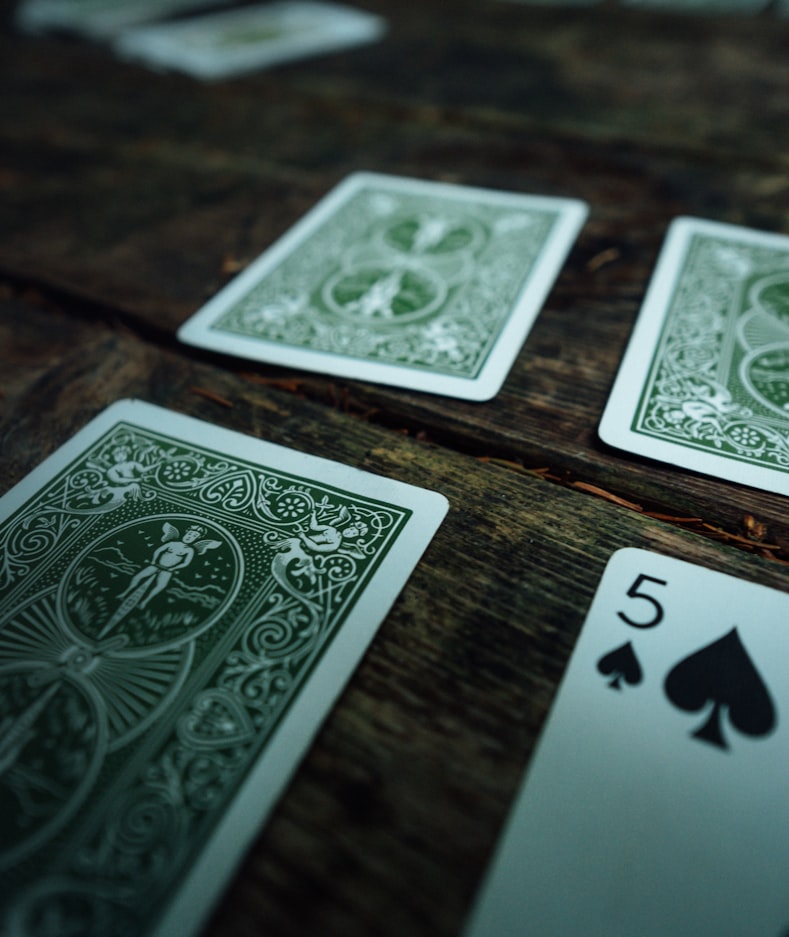
During the Middle Ages, gambling evolved as a popular pastime among nobility and commoners alike. Games like chess, backgammon, and card games gained traction across Europe. The introduction of playing cards from Asia revolutionized the gambling scene, leading to the establishment of various gambling houses and taverns where people could gather to play and bet on games.
This era also saw the emergence of laws governing gambling. Various regions began to regulate gaming, aiming to curb excesses and protect citizens from unscrupulous practices. While gambling was often seen as a vice, it also began to be recognized as a legitimate form of entertainment and social interaction.
The Rise of Modern Casinos in the 18th and 19th Centuries
The 18th century marked a significant turning point in the history of gambling with the establishment of the first official casinos. The Casino di Venezia in Italy, opened in 1638, is considered one of the oldest gaming houses still in existence. By the 19th century, cities like Monte Carlo, Las Vegas, and Atlantic City became synonymous with the modern casino experience, attracting gamblers from around the world.
The introduction of table games, such as roulette and blackjack, alongside slot machines further solidified the casino as a central hub for gambling. This period also saw the rise of organized gambling, with lotteries and betting on horse races becoming popular among the masses. The combination of chance, skill, and the social atmosphere of casinos established a new era in gambling.
The Impact of Technology on Gambling
The late 20th century brought a technological revolution that dramatically altered the landscape of gambling. The rise of the internet opened up new possibilities for gaming, leading to the birth of online casinos and betting platforms. These virtual environments allowed players to engage in gambling from the comfort of their homes, broadening the appeal of gaming and reaching a global audience.
Modern Gaming Platforms and Their Role in Gambling
The emergence of modern gaming platforms has transformed the gambling landscape into a multi-billion-dollar industry. These platforms not only offer traditional games but also provide unique experiences, such as eSports betting and skill-based gaming. The accessibility of mobile apps has made it easier for players to gamble on-the-go, reinforcing the industry’s growth.
